
These herbaceous species establish deep underground networks, surviving winter dormancy to re-emerge in spring. Their longevity minimizes annual replanting, providing a sustainable softscape backbone for long-term garden planning.

Completing life cycles within one growing season, these plants focus energy on seed propagation and vibrant flowering. They offer instant color bursts, filling planting gaps effectively.

Woody plants form the garden framework, providing height and natural privacy screening. Seasonal foliage shifts create visual interest, transitioning from summer vibrancy to autumnal dormancy structure.
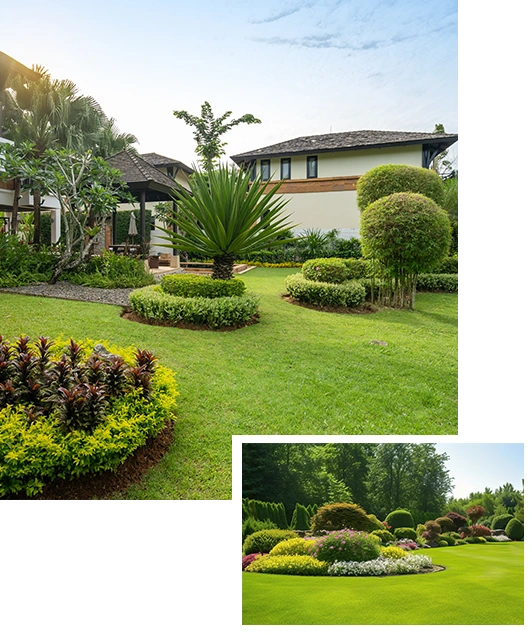
Landscape architecture design principles
Designing functional hardscapes and aesthetic outdoor spaces
Professional landscape design blends horticultural expertise with composition, using texture contrast to guide vision. Placing hardscape features alongside softscape vegetation ensures transitions between built environments and nature, establishing spatial flow.
Analyzing solar exposure and topography dictates zoning for relaxation or cultivation. Land grading guarantees proper drainage, averting foundation water stagnation while directing runoff toward rain gardens or bioswales.
Mastering residential garden layouts
Essential upkeep for vigorous plant growth
Routine maintenance exceeds watering; it requires monitoring plant health and precise intervention. Consistent attention to climatic factors ensures specimens achieve full genetic potential through diverse seasonal cycles.
Strategic drip irrigation methods
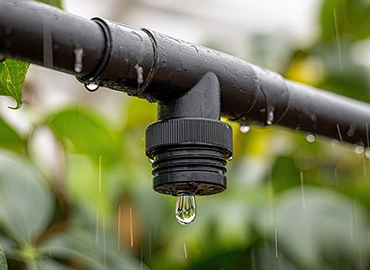
Drip emitters deliver moisture to root zones, minimizing evaporation loss and preventing foliar diseases.
Corrective seasonal pruning techniques
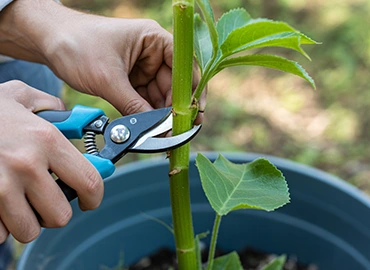
Removing deadwood stimulates shoot generation and optimizes canopy air circulation for better health.
Organic soil nutrient management
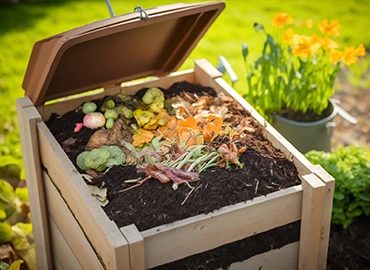
Incorporating organic amendments improves substrate porosity and restores nitrogen levels naturally without chemicals.
Decorative ornamental plant selection
Curating visual impact with native flora
Choosing appropriate ornamental cultivars transforms spaces into living tapestries. The interaction between foliage density and floral brilliance creates dynamic focal points that evolve with seasonal progression.

Contrasting variegated leaves
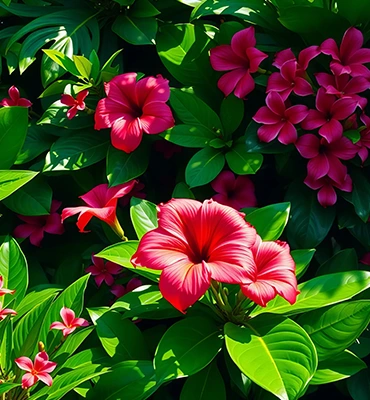
Exotic perennial blooms
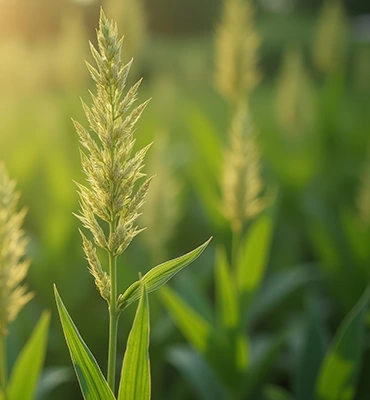
Tall structural grasses
Productive edible garden
Cultivating organic kitchen gardens

Robust heirloom vegetable varieties
Traditional cultivars provide superior flavor profiles and climate resilience against local fluctuations.
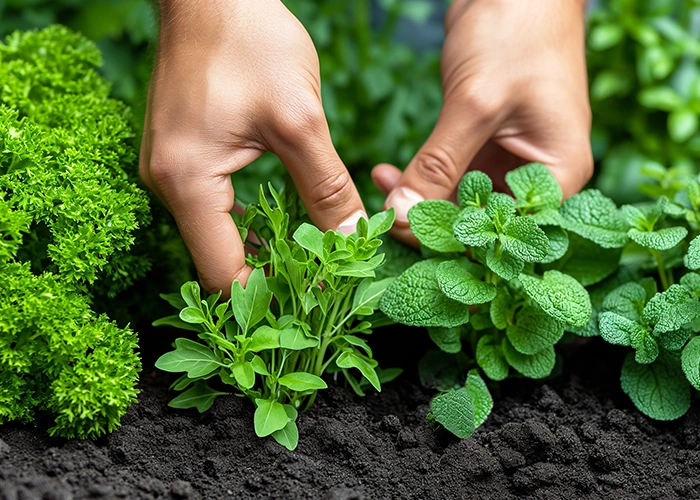
Aromatic culinary herb spirals
Aromatic plants flourish in well-drained soil, offering fresh seasoning for gastronomic use.
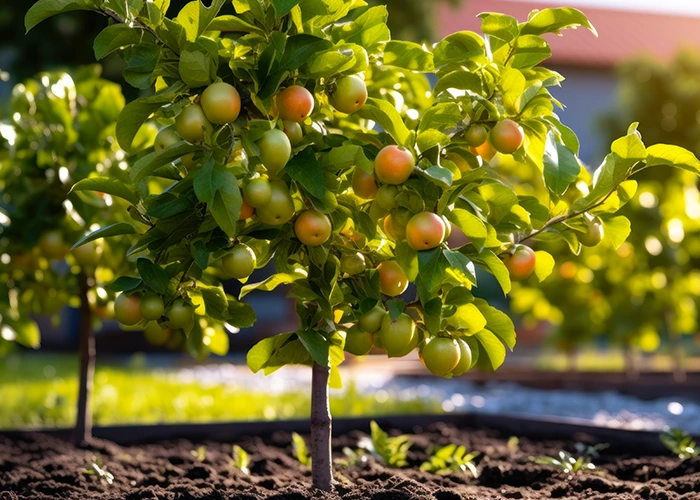
Dwarf fruit tree orchards
Grafted rootstocks enable high fruit yields in compact urban spaces or patio containers.
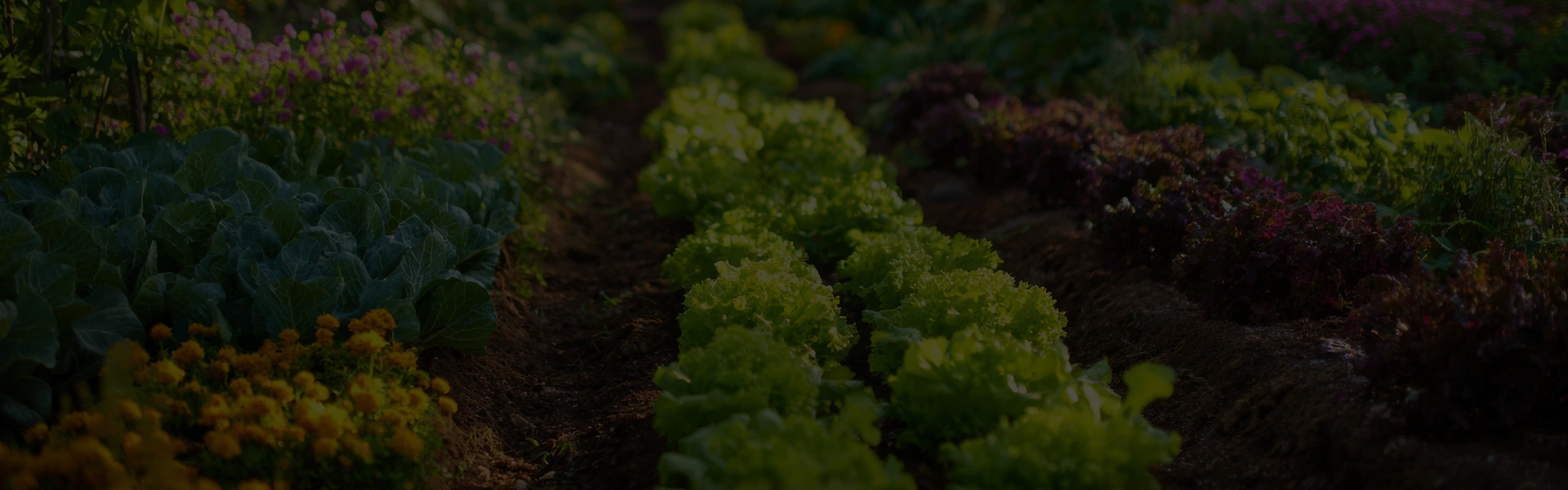
Eco-friendly sustainable gardening
Ecological stewardship and biodiversity in modern gardens
Applying permaculture principles builds self-sustaining ecosystems with minimal waste. Supporting beneficial insects and indigenous flora reduces chemical dependency, fostering balanced environments that aid local wildlife and natural soil regeneration.


Low environmental impact awareness